
From Doom-Scrolling to Hope-Questing
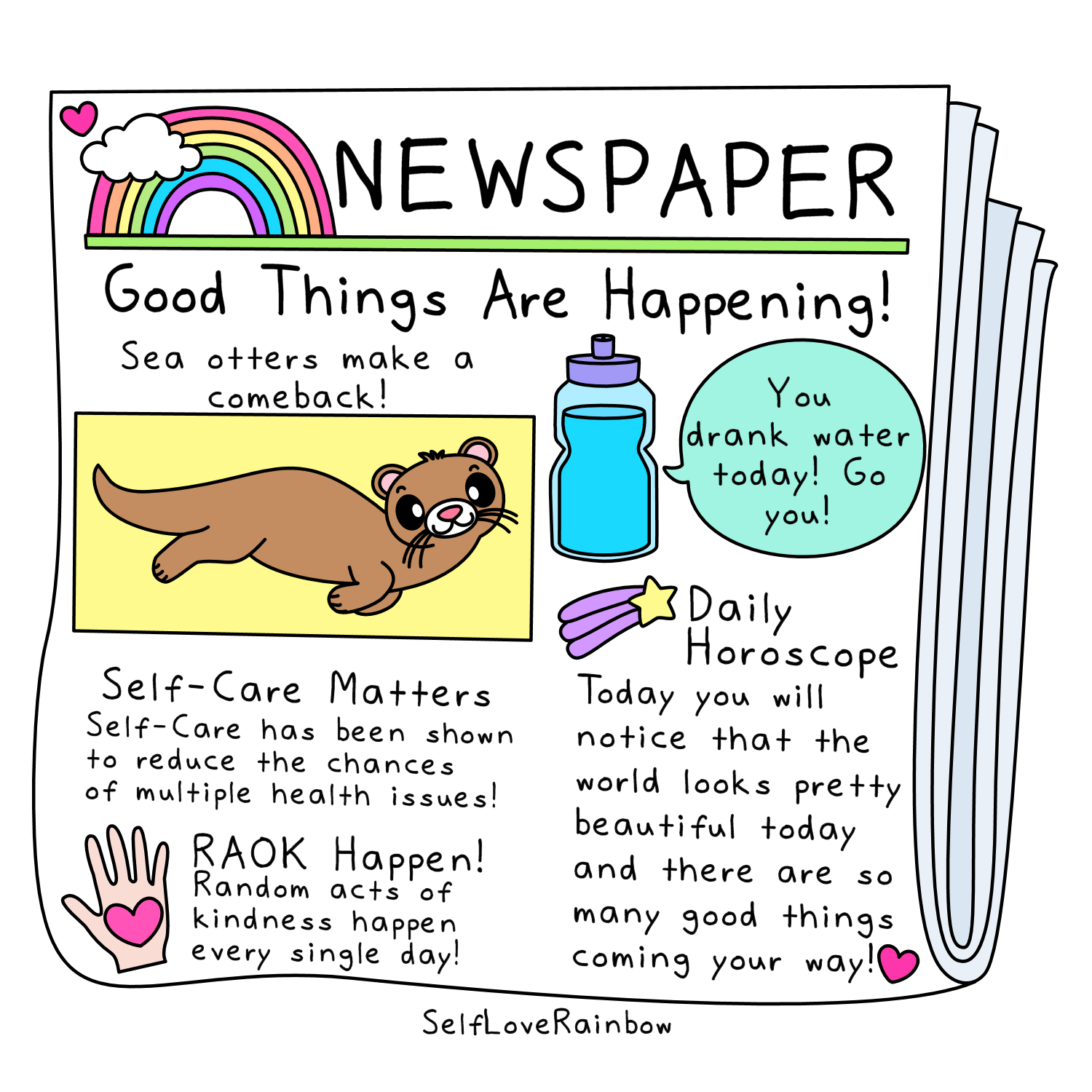
Do you doom-scroll? I did, sometimes I do. It ramps up my anxiety, it makes my stomach hurt, and it sends me into this spiral of, well… doom. Doom-scrolling is getting stuck in this cycle of reading negative news or other content online and it sucks. We scroll because we want to stay informed, because we care, because we feel like if we just understand more, we’ll somehow be more prepared. With having anxiety, it almost feels like I have to look so that I will know what’s coming and if I can know all the things then I can be safe. But it never ends because there’s something new every day. Which means I have to look every day… and it becomes this never ending cycle of being so deep in it. And that sucks for mental health, right? Which is why I’ve been focusing on hope-questing.
Psychologists say doom-scrolling is fueled by negativity bias. Our brains are wired to focus on threats in an attempt to protect us. We think that by consuming more information, we’ll feel safer, but instead, we end up more anxious and hopeless. (That’s exactly how it feels!)
Social media algorithms don’t help either.
They prioritize engagement, and nothing keeps people engaged like outrage, fear, and controversy.
Which is why I’ve been focused on hope-questing. I stay informed, giving myself a few minutes each day to see what’s happening in the world, but I do my best not to get sucked into it. It’s information and I am taking it in and I don’t have to read 100 different takes and opinions on it. I’ve been spending the most time on BlueSky and Reddit. My home feed is 99% cute animals, cool science-y facts, and cozy places/books/games. Some of my favorite subreddits are r/ToastMe (where you leave compliments for strangers) and r/CongratsLikeImFive (where you celebrate people and their accomplishments) r/humansbeingbros (people being good people). It has done so much good for my mental health.
How to Start “Hope-Questing” Instead
Set a Time Limit for News Consumption: Staying informed is important, but overloading yourself with constant updates doesn’t help, even when anxiety says it does. Check in with news sources once or twice a day, rather than scrolling for hours. Avoid news right before bed. Late-night doom-scrolling messes with your sleep and leaves you waking up already overwhelmed.
Add a Little Hope-Questing to Your Social Media
Yeah the world is a dumpster fire but that doesn’t mean there aren’t good things happening too. And I know it’s hard to let your brain balance those things but they are important too. One of my favorite books called Glad No Matter What by SARK taught me how to embrace the duality of good and bad. It’s not simple as ‘glad no matter what’ but it showed me that we can have moments of gladness or hope or optimism even when you’re feeling things that are opposite to that.
So here’s how to add a little hope: Follow accounts that are just that ooey, gooey, positive, heart-warming stuff.
Limit your time looking at accounts/pages that drain you. It’s okay to take a break. You don’t have to be on 24/7 to make a difference, to act, or to be a force for good.
Take Small Actions That Make a Difference
Doom-scrolling makes us feel helpless and overwhelmed. The best way to combat that is to take action, even in small ways. Donate to causes that align with your values. Call or email your representatives about an issue that matters to you. Volunteer or help locally. What’s happening in your community matters too!
Taking even the smallest action shifts your mindset from powerless observer to engaged participant.
Here are some social media focused self-care assignments for you!
Set a purpose for your social media session: Before you open up your favorite app, establish why you’re logging on. Is it to get informed on politics, check up on friends, find inspiration, or check out on one of your interests? Setting intentions can help steer your interactions in a nourishing direction and help stop endless scrolling.
Check in with your feelings: As you scroll, check in with yourself. Pay attention to how posts make you feel. Are you being sucked into a vortex of negativity that’s affecting your mood or making you feel tense?
Evaluate your relationships: Consider accounts you follow. Do these people share content that generally matches how you want to feel? Sometimes, unfollowing or muting friends or family members can be necessary to preserve your mental health.
Figure out your mental fatigue scale: Too much social media (or just one type of social media) can just be draining. Check in with what feels good to you. Know your current emotional and mental needs. Maybe it’s better to take a break from [insert app] and spend more time on [insert another app] or maybe create a second account to give you a break from things that are draining you.
Like any aspect of our lives whether it be within our relationships, workplace, or homelife, we need good boundaries and to be able to understand our needs!
And finally – here’s a free worksheet! And if you’d like more – check out the 7-Day Intentional Social Media Challenge.

Free Social Media Inventory Worksheet!
This is a quick and easy worksheet that will help you see how social media is affecting you. Does social media make you happy? What pages, groups, or people you might want to set boundaries with and a list of your favorite pages and accounts – search for more like them!


